Chicken Francese vs. Piccata: Unpacking the Culinary Similarities and Delicious Differences
In the vibrant world of Italian-American cuisine, few dishes capture hearts quite like chicken prepared with a luscious, bright sauce. Two such culinary stars, Chicken Francese and Chicken Piccata, often find themselves compared, yet each offers a distinct and equally delightful experience. While both feature pan-fried chicken cutlets bathed in a lemon-infused white wine sauce, their nuanced preparation, specific ingredients, and overall flavor profiles set them beautifully apart. This article will delve into these differences, celebrate their unique charms, and particularly highlight the irresistible allure of creamy chicken francese.
What is Chicken Francese? A Golden, Velvety Delight
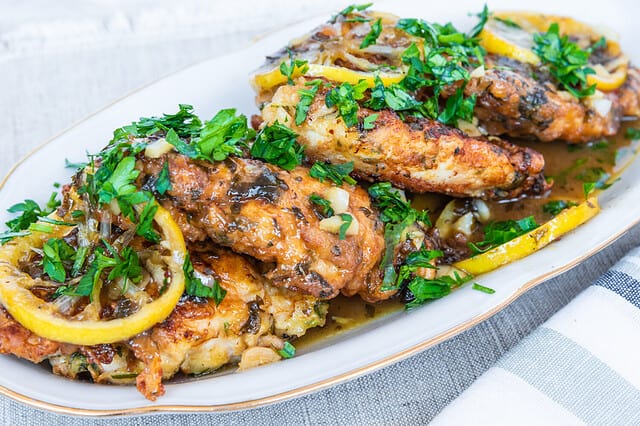
Often referred to as Chicken Française, Chicken Francese is an Italian-American classic renowned for its tender chicken and its truly exceptional, rich sauce. At its heart, the dish consists of thin chicken breasts or cutlets, meticulously coated first in seasoned flour and then dipped into a beaten egg mixture. This unique breading technique ensures a beautifully golden, slightly crisp exterior that, crucially, allows the sauce to cling perfectly to every bite.
The magic, however, truly happens with the sauce. Following the pan-frying of the chicken, the same skillet is used to build a sophisticated concoction of dry white wine, fresh lemon juice, and often a touch of aromatic garlic. The distinctive element that elevates Francese to another level is the addition of cream (or half-and-half), which transforms the bright, acidic base into a smooth, velvety, and utterly luxurious emulsion. This creates the signature creamy chicken francese that so many adore, offering a milder, richer lemon flavor compared to its more piquant cousin. Served with crusty bread to sop up every drop of that incredible sauce, it’s an effortless yet elegant meal.
Chicken Piccata: The Zesty, Caper-Spiked Classic
On the other side of the coin, we have Chicken Piccata, another beloved Italian-American staple. While sharing the core elements of thin chicken cutlets and a lemon-white wine sauce, Piccata takes a slightly different approach, resulting in a distinctly zippier flavor profile. The primary difference in preparation lies in the chicken's coating: for Piccata, chicken cutlets are typically dredged solely in seasoned flour before being pan-fried until golden. This lighter coating allows the chicken itself to maintain a slightly firmer texture.
The Piccata sauce also deviates significantly. While it, too, features dry white wine and fresh lemon juice, the defining characteristic of Piccata is the generous addition of briny capers. These tiny, pickled flower buds introduce a salty, tangy counterpoint that brightens the sauce and adds a wonderful textural element. Traditionally, Piccata sauce is *not* creamy, focusing instead on the vibrant interplay of lemon, wine, and capers, often finished with butter for richness without the dairy cream.
The Key Differences Unveiled: Francese vs. Piccata
While both dishes offer delicious pan-fried chicken in a lemon-wine sauce, understanding their fundamental distinctions is key to appreciating their individual culinary artistry:
- The Breading Technique:
- Chicken Francese: Uses a two-step coating process – first flour, then egg. This creates a slightly thicker, softer crust that effectively absorbs and showcases the rich, creamy chicken francese sauce.
- Chicken Piccata: Typically uses a single dredge in seasoned flour. This lighter coating allows for a crisper chicken exterior and a more direct flavor of the chicken itself, complementing the bright, thin sauce.
- The Sauce Profile:
- Chicken Francese: Defined by its luxurious creaminess. The addition of half-and-half or heavy cream softens the acidity of the lemon and wine, creating a velvety, smooth, and richer mouthfeel. The lemon notes are present but mellowed by the cream.
- Chicken Piccata: Characterized by its bright, tangy, and briny flavor. The absence of cream allows the sharp lemon and savory white wine notes to shine through, perfectly balanced by the salty pop of capers. It's lighter in body and more assertive in flavor.
- Signature Ingredients:
- Chicken Francese: Its defining ingredient (beyond chicken, lemon, and wine) is the cream, contributing to its signature richness and smoothness.
- Chicken Piccata: Its defining ingredient is capers, which provide a distinctive briny, tart flavor and a unique textural contrast.
- Overall Texture and Mouthfeel:
- Chicken Francese: Offers a more tender, succulent chicken wrapped in a softer, eggy coating, all enveloped in a deeply satisfying, smooth sauce.
- Chicken Piccata: Presents a slightly crispier chicken with a vibrant, zestier sauce that has more "bite" thanks to the capers.
Crafting the Perfect Creamy Chicken Francese Sauce: Sauce Secrets Revealed
The heart and soul of any truly memorable Francese dish lies in its sauce. Achieving that perfect, velvety consistency and balanced flavor for your creamy chicken francese requires attention to detail. Here’s a deeper dive into the secrets:
- Quality Ingredients are Key: Start with fresh, good-quality ingredients. A dry white wine like Pinot Grigio or Sauvignon Blanc is ideal – avoid cooking wines. Use freshly squeezed lemon juice; bottled simply won't yield the same bright, vibrant flavor. Quality chicken broth (low-sodium) provides a robust base. For the cream, half-and-half offers a lovely balance of richness without being overly heavy, though heavy cream can be used for an even more decadent result.
- Building Flavor in Layers: The process begins by deglazing the pan where the chicken was fried. This step is crucial as it captures all the browned bits (fond) from the chicken, adding immense depth of flavor to your sauce. Sautéing a bit of minced garlic or even frying thin lemon slices in butter before adding liquids further enhances the aromatic profile.
- The Wine Reduction: Pour in the white wine and allow it to simmer vigorously. This step isn't just about cooking off the alcohol; it's about concentrating the wine's flavor and reducing its volume, creating a more intense, complex base. Don't rush this!
- Introducing the Cream: Once the wine and broth have reduced, remove the skillet from direct high heat before gradually stirring in the cream or half-and-half. Adding cream to a violently boiling liquid can sometimes cause it to curdle. Stirring constantly as you add it ensures a smooth, homogenous sauce. Let it gently simmer for a few minutes to allow it to thicken naturally and achieve that luxurious, velvety texture.
- Seasoning and Finishing: Taste and adjust seasoning with salt and freshly ground black pepper. A final squeeze of fresh lemon juice at the very end can brighten the sauce without making it too tart. Garnishing with fresh chopped parsley adds a beautiful pop of color and a fresh herbaceous note. For a complete guide to mastering this dish, check out our detailed recipes: Creamy Chicken Francese: Easy Recipe for a Velvety Lemon Dinner and Quick & Easy Creamy Chicken Francese: Delicious White Wine Dinner.
Step-by-Step Guide: Making Delicious Creamy Chicken Francese
Here’s a consolidated guide to preparing this exquisite dish:
- Prepare the Chicken: Start with boneless, skinless chicken breasts. Slice each breast horizontally to create two thinner cutlets. Gently pound them between two sheets of plastic wrap to an even ¼-inch thickness. This ensures even cooking and tender results.
- Set Up Breading Stations: In one shallow bowl, combine all-purpose flour with salt and black pepper. In another, beat large eggs (and optionally, a touch of grated Parmigiano-Reggiano for extra flavor) until well combined.
- Bread the Chicken: Dredge each chicken cutlet first in the seasoned flour, shaking off any excess. Then, dip it into the egg mixture, ensuring it’s fully coated. The flour provides a dry surface for the egg to adhere to, creating a fantastic crust.
- Fry the Chicken: Heat a mixture of olive oil and unsalted butter in a large skillet over medium-high heat. Once hot, fry the breaded chicken cutlets in batches, about 3-4 minutes per side, until golden brown and cooked through. Avoid overcrowding the pan, as this can steam the chicken instead of frying it. Remove the cooked chicken to a wire rack and keep warm.
- Build the Sauce: In the same skillet (don't clean it – those browned bits are flavor!), you can quickly fry a few thin lemon slices until golden for garnish, then remove. Add minced garlic and cook for about 30 seconds until fragrant. Pour in dry white wine and chicken broth, along with freshly squeezed lemon juice. Bring to a boil and reduce the liquid by about one-third, which usually takes 5-7 minutes.
- Achieve Creaminess: Remove the skillet from the heat. Gradually whisk in the half-and-half (or heavy cream), stirring constantly until fully incorporated. Return to low heat and simmer gently for about 5 minutes, allowing the sauce to thicken to a velvety consistency. Season with salt and pepper to taste.
- Combine and Serve: Return the cooked chicken cutlets to the pan, nestling them into the sauce. Allow them to gently warm through for another 2-3 minutes. Garnish generously with fresh minced parsley and serve immediately with your chosen sides.
Serving Suggestions & Pairing
Creamy chicken francese is wonderfully versatile. It pairs beautifully with a variety of sides:
- Pasta: Linguine or angel hair pasta are classic choices, perfect for twirling with the luscious sauce.
- Crusty Bread: An absolute must for soaking up every last drop of that exquisite sauce.
- Green Vegetables: Steamed asparagus, blanched broccoli, or sautéed spinach offer a fresh, healthy contrast.
- Rice Pilaf: A simple rice pilaf can also complement the rich sauce effectively.
- Wine Pairing: Continue the theme with a crisp, dry white wine like Pinot Grigio, Sauvignon Blanc, or a light Chardonnay.
Conclusion
While both Chicken Francese and Chicken Piccata are undoubtedly delicious and deservedly popular, they each offer a unique culinary journey. Chicken Piccata provides a vibrant, zesty, and briny experience, perfect for those who love a sharp, tangy kick. On the other hand, the creamy chicken francese stands out with its unparalleled richness, velvety texture, and comforting, mellow lemon notes. Its distinct breading and luxurious sauce make it a perennial favorite for a reason. Whichever you choose, both dishes promise an exquisite taste of Italian-American culinary tradition, proving that sometimes, the subtle differences make all the difference.
